Queen Mom: A Real-World Embroidery Design Review
As a designer who has spent years navigating the intersection of digital art and physical stitching, I approach every new machine embroidery design with a critical eye. We are not just looking at pixels on a screen; we are visualizing thread tension, fabric drape, and the final tactile experience of the customer. Today, I am evaluating Queen Mom, a piece created by Bidhan Roy, a professional T-shirt designer known for his long experience in creating arts and graphics. While the source material comes from a strong background in T-Shirt Designs, the true test lies in how this embroidery file translates into real-world applications like custom apparel, home decor, and small business merchandise.
First Impressions: Visual Weight and Mood
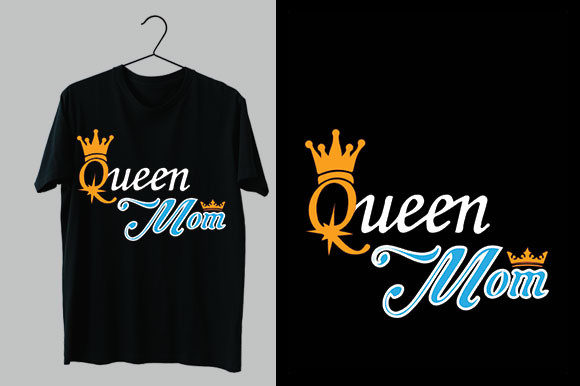
When I first opened the preview of Queen Mom, the immediate impression was one of bold confidence. The layout suggests a design that commands attention without needing to be overly cluttered. In the world of Graphics, simplicity often wins, but in embroidery, it is about balance. The visual personality of this piece feels regal yet approachable, making it an excellent candidate for a personalized gift or a statement piece in a boutique collection. The shapes appear clean, which is crucial because complex, jagged edges can sometimes turn into a nightmare of satin stitch gaps when stitched on a curved surface like a cap or a rounded sweatshirt pocket.
The mood created by Queen Mom is celebratory and empowering. It fits naturally into themes of motherhood, family appreciation, or even as a standalone fashion statement for a craft business owner looking to add character to their brand. Unlike generic clip art that looks flat, this design seems to have depth, suggesting that when converted to a digital embroidery file, it will hold up well against various fabric textures.
Real-Life Application: From Screen to Stitch
To truly understand the value of Queen Mom, let's walk through a realistic scenario. Imagine you are preparing a batch of custom embroidered tote bags for an upcoming Mother's Day market stall. You need a design that pops against canvas but doesn't overwhelm the bag's utility. When I visualize Queen Mom on a sturdy cotton tote, the fill stitch areas would likely provide a solid, opaque look that ensures high contrast, even if the bag color is slightly muted. This is essential for Etsy sellers and small shop owners who rely on clear photography for their listings.
Now, consider a different angle: a sweatshirt embroidery project for a local boutique. Sweatshirts are tricky due to their thickness and texture. If the design relies too heavily on fine details, they might get lost in the fleece loops. However, Queen Mom appears to have a structural integrity that suggests it would work well here, provided the stitch density is managed correctly. For a baby embroidery item, such as a onesie or a soft blanket, the smooth lines of this design would prevent irritation, ensuring the finished product is safe and comfortable for sensitive skin. This versatility makes it a valuable asset for anyone running a craft business that spans multiple product categories.
I also see potential for using Queen Mom as an embroidered patch. Patches are a booming category for commercial embroidery projects. The design's defined edges would allow for a clean cut after stitching, resulting in a professional-looking accessory that customers can iron onto denim jackets or backpacks. Whether you are selling these as individual items or bundling them with custom apparel, the design holds its own.
Navigating Technical Challenges and Fabric Choices
While the design is promising, experienced designers know that context is everything. There are specific situations where Queen Mom requires careful handling. First, consider the hoop size. If the design is large, attempting to fit it into a small 4x4 hoop could distort the proportions or cause the machine to struggle with registration. Always check the dimensions before committing to a specific project.
Fabric choice is another critical factor. On textured fabrics like linen or heavy denim, the running stitch outlines might need to be thicker to ensure visibility. Conversely, on thin fabric or stretchy materials like jersey knits, the risk of puckering increases. In these cases, using a high-quality stabilizer is non-negotiable. Without proper backing, even the best machine embroidery design can look sloppy, damaging your reputation as a maker.
Dark fabrics present their own set of challenges. If you plan to use Queen Mom on a black t-shirt, you must evaluate the thread colors carefully. Lighter threads may require a underlay of white or light gray to prevent the dark fabric from showing through the stitches. Similarly, on curved surfaces like caps, the design elements near the brim might need adjustment to account for the fabric's curvature during stitching.
Practical Designer Notes for Success
- Test on Scrap Fabric: Never skip the test run. Stitch Queen Mom on a scrap piece of the exact fabric you intend to use. This allows you to adjust stitch density and tension before ruining a expensive garment.
- Check Thread Contrast: Ensure the chosen thread colors offer enough contrast against the background. A low-contrast design can look muddy and unprofessional in photos and in person.
- Inspect Small Details: Zoom in on the digital preview. Are there tiny letters or intricate corners? These are the first things to fail on a machine. If the design includes tiny lettering, verify that your machine can handle it at the desired size.
- Mockup in Black and White: Create a printable mockup in grayscale. This helps you see if the value distribution works without relying on color, which is a common mistake in design assets.
- Verify Licensing: Before selling any finished product featuring Queen Mom, confirm the licensing terms with Bidhan Roy. Some digital embroidery files are for personal use only, while others allow for commercial sales. This protects your handmade product business from legal issues.
Impact on Brand and Customer Perception
The choice of design directly influences customer trust and brand consistency. When a client receives a holiday embroidery gift or a personalized item, they are judging the quality of the stitching as much as the sentiment. Queen Mom offers a level of polish that elevates a simple t-shirt into a premium small shop product. The clarity of the design contributes to a perception of professionalism, encouraging repeat business and positive reviews.
For creative entrepreneurs building a portfolio, having a versatile design like this in your arsenal allows for quick turnaround times on personalized gifts. Whether it is a wedding gift, a nursery decor piece, or a holiday ornament, the ability to adapt a single design across different mediums—from pillow covers to kitchen towels—maximizes your efficiency.
In conclusion, Queen Mom by Bidhan Roy stands out as a robust option for those serious about apparel decoration and handmade goods. It bridges the gap between artistic vision and practical execution. By understanding its strengths and limitations regarding fabric, hoop size, and stitch mechanics, you can ensure that every embroidery project delivers a stunning result. As you prepare your next batch of custom apparel or craft fair inventory, remember that the right design, executed with care, is the foundation of a successful handmade business.